
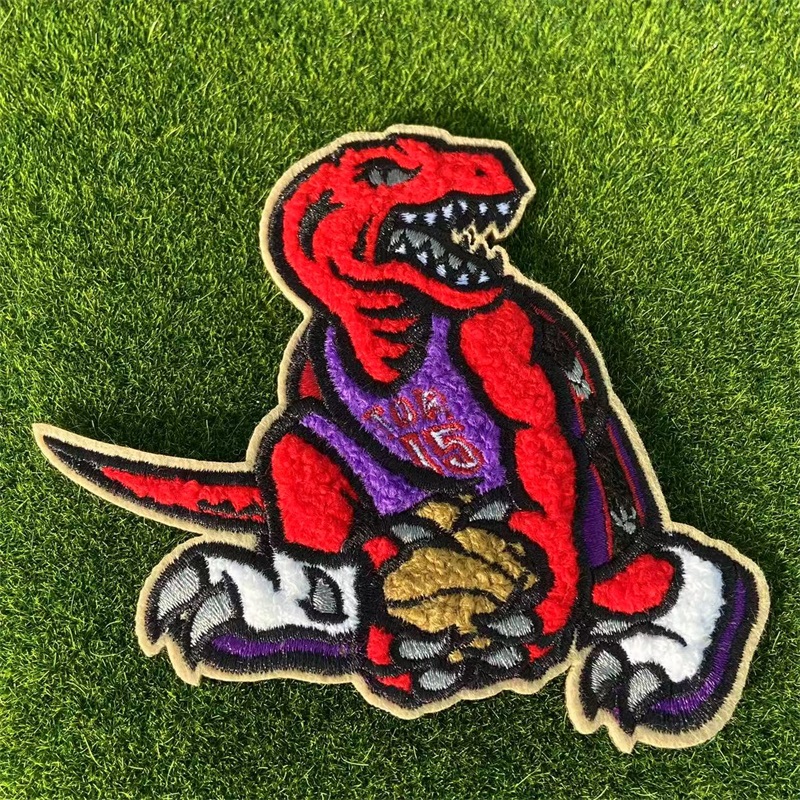
In a world of mass-produced fashion, how do you make a jacket, bag, or pair of jeans uniquely yours? The answer is often delightfully tactile and full of personality: the embroidery patch. More than just a cover for a hole, these detailed textile artworks have evolved into powerful tools for personal expression, fandom, and style. Let’s dive into the vibrant world of embroidery patches.
More Than Just a Decoration: A Brief History
While the origins of decorative stitching date back millennia, the modern embroidery patch as we know it has roots in military and workwear. Soldiers’ unit insignias and mechanics’ company logos were embroidered onto fabric for durability and identification. From these practical beginnings, patches were adopted by counterculture movements—punks in the 70s and 80s famously used DIY safety-pinned patches to make political statements and showcase band loyalty. Today, they’ve exploded into the mainstream, celebrated by high-fashion runways and streetwear enthusiasts alike.
Why Patches? The Enduring Appeal
What makes a simple piece of embroidered fabric so captivating?
- Ultimate Personalization: They are the easiest way to curate a look. You can tell a story, display your hobbies (from astronomy to gaming), or simply create a visually stunning arrangement on a denim jacket, backpack, or hat.
- Sustainability in Style: Patches are the heroes of “visible mending” and sustainable fashion. A beautifully designed patch can breathe new life into a worn piece of clothing, extending its lifespan with character.
- Community & Identity: Wearing a patch is a quiet signal. It can represent your favorite band, a cause you support, your graduate year, or your membership in a club. It’s a badge of belonging.
- Art You Can Wear: Independent artists have turned patches into a miniature canvas, selling incredible, collectible designs that are wearable art.
From Thread to Backing: Types of Patches
Not all patches are created equal! Here’s a quick guide to the most common types:
- Embroidered Patches: The classic. Designs are machine-stitched onto a fabric backing (like twill or felt), creating a textured, raised, and durable finish. The edges can be finished with a merrow (overlock) border or a hot-cut edge that leaves the fabric border visible.
- Woven Pat
Of course! Here is a blog post about embroidery patches, written in English and structured to be engaging and informative for readers.
The Stitch of Self-Expression: Your Complete Guide to Embroidery Patches
In a world of mass-produced fashion, how do you make a jacket, bag, or pair of jeans uniquely yours? The answer is often delightfully tactile and full of personality: the embroidery patch. More than just a cover for a hole, these detailed textile artworks have evolved into powerful tools for personal expression, fandom, and style. Let’s dive into the vibrant world of embroidery patches.
More Than Just a Decoration: A Brief History
While the origins of decorative stitching date back millennia, the modern embroidery patch as we know it has roots in military and workwear. Soldiers’ unit insignias and mechanics’ company logos were embroidered onto fabric for durability and identification. From these practical beginnings, patches were adopted by counterculture movements—punks in the 70s and 80s famously used DIY safety-pinned patches to make political statements and showcase band loyalty. Today, they’ve exploded into the mainstream, celebrated by high-fashion runways and streetwear enthusiasts alike.
Why Patches? The Enduring Appeal
What makes a simple piece of embroidered fabric so captivating?
- Ultimate Personalization: They are the easiest way to curate a look. You can tell a story, display your hobbies (from astronomy to gaming), or simply create a visually stunning arrangement on a denim jacket, backpack, or hat.
- Sustainability in Style: Patches are the heroes of “visible mending” and sustainable fashion. A beautifully designed patch can breathe new life into a worn piece of clothing, extending its lifespan with character.
- Community & Identity: Wearing a patch is a quiet signal. It can represent your favorite band, a cause you support, your graduate year, or your membership in a club. It’s a badge of belonging.
- Art You Can Wear: Independent artists have turned patches into a miniature canvas, selling incredible, collectible designs that are wearable art.
From Thread to Backing: Types of Patches
Not all patches are created equal! Here’s a quick guide to the most common types:
- Embroidered Patches: The classic. Designs are machine-stitched onto a fabric backing (like twill or felt), creating a textured, raised, and durable finish. The edges can be finished with a merrow (overlock) border or a hot-cut edge that leaves the fabric border visible.
- Woven Patches: Made with finer threads, woven patches offer incredible detail for complex designs, photographs, or small text. They have a flatter, smoother feel compared to embroidered ones.
- Chenille Patches: Recognizable by their fuzzy, velvety texture, these are a staple of letterman jackets and varsity style. The design is made from looped yarn, creating a classic, retro look.
- Leather Patches: Often used for biker clubs, brands, and a more rugged aesthetic, these can be embossed, debossed, or laser-engraved.
- PVC & Rubber Patches: Modern, flexible, and great for bold, colorful designs with a smooth, slightly glossy finish. They’re highly durable and weather-resistant.
Your DIY Guide: How to Apply Patches
Ready to customize? Here’s how to make your patches permanent (or not!).
- Iron-On (The Easiest Start): Most modern patches come with a heat-activated adhesive backing. Simply place the patch, cover it with a pressing cloth (like a thin tea towel), and apply a hot iron with firm pressure for 30-60 seconds. Pro Tip: For longevity, always stitch around the edges after ironing-on. Heat and washing can weaken the adhesive over time.
- Sew-On (The Gold Standard): The most secure and traditional method. Using a needle and strong thread (like embroidery floss or all-purpose thread), use a simple running stitch, whip stitch, or satin stitch around the inner edge of the patch. It’s meditative and adds to the handmade charm.
- Fabric Glue (The Quick Fix): Good for temporary placement or on materials you can’t iron or sew. Look for a strong, washable fabric glue. While convenient, it may not hold up to heavy wear or frequent washing as well as stitching.
Finding Your Perfect Patch
The hunt is part of the fun! Look for patches on:
- Etsy & Instagram: The homes of independent artists and small businesses offering unique, limited-run designs.
- Craft Fairs & Markets: A great way to see and feel the quality in person.
- Specialty Retailers: Many brands, museums, and even national parks sell patches as souvenirs.
So, what will your patch say about you? Will it be a collection of national parks from your travels, a constellation of your favorite mythical creatures, or a bold political statement? Grab a jacket, pick your patches, and start stitching your story.
Tell us in the comments: What’s the favorite patch on your collection, and where do you proudly display it?